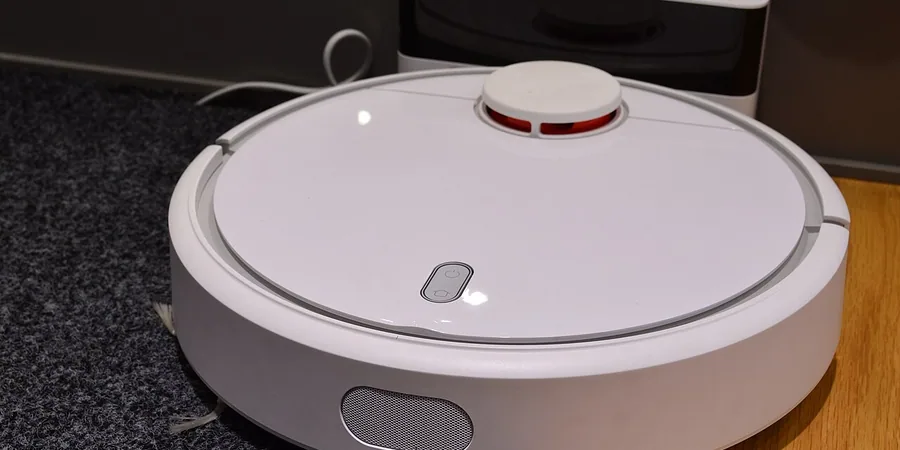
Choosing a new vacuum often leads homeowners down a rabbits' hole of acronyms and metrics: Pa, AW, "suction power," hardware specs, and conflicting reviews. While choosing between a stick vacuum and a robot vacuum may seem straightforward, the metrics provided by manufacturers to tout their machines are anything but straightforward. The industry has not settled on a common standard, which leads to confusion for buyers. This naturally leads to the question: what do those numbers really mean, and which machine is best for your home?
Suction Numbers are Not the Same Thing
The biggest source of confusion is the fact that robot vacuums typically use a metric called Pascals (Pa) in their promotional materials, while various other vacuums more commonly use Air Watts (AW) or other means of describing their suction power. Surprise, these are totally different units.
Pa is a pressure measurement in the metric system, representing the amount of pressure the vacuum generates. Higher numbers denote stronger pressure, but that alone doesn't tell the whole story. A vacuum must also have good airflow to effectively scrub dirt out of carpets and furniture. So that "4,500 Pa" rating might sound impressive, but a lot can go wrong with a poorly designed airflow system on the inside.
AW is a bit more comprehensive, while not perfect. It's calculated in part by airflow (the rate of airflow through the machine, measured in cubic feet per minute) combined with water lift (the amount of pressure the machine can apply, measured in inches). The formula is airflow times water lift, divided by 8.5.
Further, the way manufacturers define water lift can vary. Most use a U.S. / ASTM standard, but other definitions meet with less enthusiasm. You aren't always getting a uniform measurement, even within the AW metric.
What the Published Ranges Suggest
Consumer robot vacuum suction ratings are typically expressed in Pa, with common models ranging from around 1,500 Pa to over 3,000 Pa. A published guide says 2,000–4,000 Pa is adequate for robot vacuums and 6,000+ Pa is considered high-end.
The claims could send an undiscerning buyer reaching for the highest numbers in the rage — but a high rating doesn't guarantee everything you will need. The Korea Agency for Technology and Standards announced in July that pascals would no longer be considered an official indicator of suction power for dry-use robot vacuums, focusing instead on airflow and watts.
No shock there. If you're left with a robot that makes a heck of a noise but still leaves a heap of dust and hair behind, you already have an idea. Suction is only part of the puzzle. How well the machine can engage your floors and complete a cleaning run is maybe more important.
Vacuum Suction Table
| Vacuum Type | Suction Power Measurement | Typical Range | | --- | --- | --- | | Traditional | Air Watts (AW) | 180–200 AW | | Cordless | Air Watts (AW) | 100–150 AW | | Robot | Pascals (Pa) | 2,500–6,000 Pa |
Why the Numbers Mislead Buyers
As of today, Korean regulators have withdrawn pascals as a standard for defining the dry suction power of robot vacuums — while noting that the same logic could apply to other cleaners as well.
The updated guidance states that the maximum pressure value of a cleaning robot’s suction system does not represent actual suction power (W). You get a clear picture of this issue when you compare the horror stories around robot vacuums compared to the more serious safety advice you get with cordless units.
Further, the report notes, key parameters directly related to dust suction performance include suction power (W) and airflow volume. How fine the brushes are, the amount of footage the vacuum is drawing from its batteries, the number and strengths of its sensors, and so on.
The upshot is that the Pascal ratings deserve less weight, and you should be paying closer attention to the other things a robot can do.
What Still Needs Proof before Claiming a Winner
It's worth knowing that most of these numbers are scribbled on specs pages without the robust testing that will let you tie them back to a home's actual experience.
Publishers love cross-charts of various vacuum models, touting their Pascal readings against other performance numbers. But that analysis is not sophisticated, and you often see holes in the coverage. A vacuum model may seem like an all-star on paper but fail to perform when you get it into someone's living room.
Among the gaps that are missing proof for now:
- Bin sizes and run times
- A rigorous tally of what one home throws off in a week
- Detailed brush geometry and failures around hair, obstructions
- Edge and corner performance numbers
- Individual differences in threshold handling and rug pile-tackling
- Clear insight into powering off, recharging, resumption of tasks
- Maintenance needs like filter washing, sensor cleaning, docking
Robots versus cordless vacuums is a gut issue, and a simple red-versus-blue ranking will not cut it. Editorial sources and industry experts need to invest in more lab testing, and manufacturer transparency around their numbers — or the whole realm of conversation around vacuum purchases will remain-way oversimplified, even for a post that's calling attention to the problem.
How to Avoid Bad Comparisons
Given the gaps in today's reporting around vacuum claims, is there a good way to compare robot vacuums with stick vacuums, cordless vacuums, or any of the other breeds in the family?
Yes, but not by crossing suction numbers with a magic formula. The way these machines work is key to the outcome you will get from them.
- Suction may be a hygiene issue, but pressure alone is just one part of a long story. Look also at airflow and power draw on a model.
- Floor type is everything. The well-suited robot vacuum will handle bare floors, do well on low piles, and bang out a solid performance on rugs. The best-stick makes the best doormats, while the robot does more for the middle and corners.
- The size and frequency of shedding matter. Robots with smaller bins may need assistance if you have an animal in the house. And models with heating coils for sanitization come with a de facto cool-down period.
- Bristles can age if not cleaned. Look at the level of maintenance you are willing to perform. Keep on powering off.
- Assume robots will fail on paused steps, looked at from a perch, or on deep carpeting or stairs. Know when to reach for a stick.
The ultimate numbers for "which is best" are the negative number of times you have to empty a bin and the positive number of times your home feels good when you are done.
To buy right in today's market, think about your home design, the volume of your messes, what you see as the necessary footprint — and roll your eyes at the graphs of machine specs.