
ArchiveSponsored
All About 32Red Casino
Discover everything you need to know about 32Red Casino, from game variety to bonuses and payouts.
5 min read
9 min read
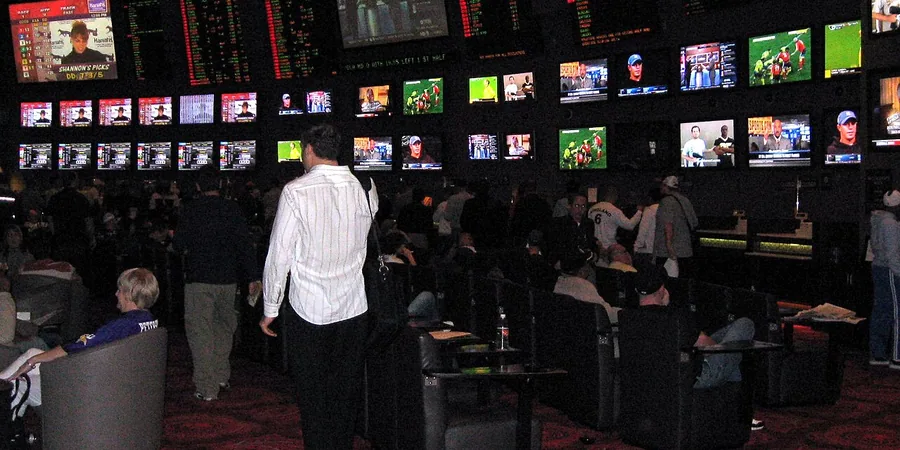
Photo: Sports betting in MGM Grand Las Vegas — Alan Kotok, CC BY 2.0. Wikimedia Commons.
By Jordan Lee, sports law analyst and former Division I compliance coordinator
The band warms up. The tailgate grills pop and hiss. A star guard pulls up in a car with a local dealer wrap. Fans snap pics. Phones buzz with push alerts for same-game parlays. A dad scans a table of NIL promo cards while his kid asks for a signed hat.
It feels new and normal at once. Money talks in plain sight. Odds do too. Everyone has more info than before. Some of it helps. Much of it adds noise. This story is about the signals you should keep.
In 2021, the Supreme Court opened a door. After that, schools and athletes got room to rethink pay and perks. Soon, name, image, and likeness rights, or “NIL,” became part of campus life in all sports.
The NCAA’s NIL guidance set a base. States added their own rules. Schools wrote handbooks. Brands called. Agents called. Collectives formed. The ground still moves, but the map is clearer than it was.
The legal break point was the high court case you hear in every panel: read the NCAA v. Alston decision summary for the core facts. It did not create NIL, but it made the shift hard to stop. After that, the dam broke fast.
So where does the money go? A lot runs through “collectives.” These are booster-led or donor-backed groups that fund NIL deals. There are also straight brand deals. Think local food chains, car lots, health clinics, national apps, and clothing labels.
While that moves, the sports-betting market grows too. See the U.S. sports betting revenue trends for scale. That money shapes ad buys. It shapes how fans watch, and when they pick up the phone to check a live line.
Are people okay with this? Views vary by age and state. In short, the public is split. A clear read is here: Americans’ comfort with sports betting. This matters for schools, brands, and leagues. It sets the range for what will fly on campus and on TV.
Betting markets price college games on stats, injuries, travel, and power ratings. Props on players add another layer. These lines can move fast off small news. A rumor about a sore ankle can swing a price. The risk is clear when the athletes are 18–22 and live on campus.
NIL adds visibility. A player posts more. A brand posts more. That content can look like “info.” It is not always that. It is often staged, or old, or vague. For athletes, one more thing matters: disclosure. Rules for ads and posts exist.
If you do an NIL post, follow the endorsement disclosure rules for influencers. Clear tags help you, your team, and the brand. They also help fans read posts the right way.
Here is the hot spot: athlete prop bets in college. These wagers ask for one player’s stats. They are hard to police, and they can feed bad fan behavior. Some regulators have moved to limit or ban them.
For example, see a state regulator’s ban on college prop bets note in Ohio. Other states have rules too. Some never allowed these props in the first place.
When things do go wrong, it is ugly and fast. One headline case in 2023 came from a baseball game and a coach tip. Read the Alabama baseball betting probe coverage for the arc. The key point: data trails and alerts can find odd moves, but trust is still fragile.
Use this table as a fast map. It shows who cares about what, where the heat is, and one step to lower risk. It is not full law advice. It is a field guide for day one.
| State regulator (example: Ohio) | Ban or limit player props | Not in scope | Integrity; public trust | Publish clear lists; monitor markets; act fast on tips | OCCC sports gaming updates |
| Major conference | Often supports limits on college props | Allows NIL within rules | Athlete safety; brand risk | Uniform campus policy; reporting lines; anti-harassment plan | Public conference memos |
| Athletic department | No lines; follows state law | Education and deal review | Compliance; roster focus | Training; vendor vetting; crisis plan; data access rules | Internal handbooks |
| Student-athlete | No betting; props add stress | Can do NIL within rules | Online abuse; privacy | Secure socials; clear ad tags; mental health support | NCAA NIL resources; team policy |
| Integrity vendor | Flags odd prop action | Not in scope | Signal quality; speed | Data feeds; club with leagues; alert paths | Vendor integrity briefs |
| Brand/collective | Brand-safe stance varies | Active in NIL | Legal risk; minors’ reach | Age gates; copy review; FTC-compliant labels | FTC endorsement guides |
Budgets are tight and pressure is high. See the wider cost story in the spending pressures in college sports. Still, a short plan helps. Here is a checklist you can start this week.
If you or someone you know needs help: Reach out to the National Council on Problem Gambling. Here is the page for the helpline and tools: confidential help for gambling problems.
NIL can work for brands. It can also miss. Aim for fit and trust. Choose athletes who speak to your core buyer. Protect minors. Avoid claims that look like picks or tips. Keep location rules in mind if your product is age-gated.
How to read the price tag? Market rates move week by week. Metrics that help: reach, real engagement, campus tie, and reuse rights. Plan for content rules by school and state. Involve legal early. Keep copy simple and true.
For a rough sense of price signals, check estimated NIL valuations and market signals. These are not contracts. They are snapshots. Use them as a guide, then ask for proof and past results.
NIL posts can look like inside news. Most are not. They are ads, old clips, or set shots for a brand. Markets also move fast on real news, long before most people see a post. Be wary of “can’t miss” takes in comments or chats.
If you bet, set a budget. Stick to it. Log your bets. Track closing lines and your true odds. Know the legal age and rules where you live. If it stops being fun, stop. Ask for help.
Policy will not sit still. Money is in play. So are young lives and school brands. Here are three real paths we may see over the next two years.
Congress could set a base for NIL and athlete rights. That could add clear terms for pay, disclosure, and data use. For context, see a policy analysis of college athlete compensation. A floor would lower chaos. It could also reshape how schools plan rosters and budgets.
States may tighten college prop rules. Leagues may press books to agree on what not to offer. This already happens in places. Integrity tools will grow too. For a sense of the tools, here is integrity monitoring in sports. Expect faster alerts and more data links between books, leagues, and regulators.
Some states already restrict bets on in-state colleges or certain events. See one example of state rules restricting college betting markets. The message is simple: your legal menu depends on where you stand.
There is a live debate on whether athletes are employees. That would change a lot: bargaining, benefits, and data rights too. Track notes from the labor side here: student-athletes and employee status developments. If this shifts, many NIL and betting risk rules will shift with it.
Field note: In talks with three departments this spring, staff said the same thing: “We need fewer gray areas.” A clean rule set, even if strict, is better than a fog.
Disclosure: We may receive compensation from review links on this page. Our views and checks are independent.
If you do choose to bet, do it on legal sites. Read the terms. Check limits. Learn how payouts work. We keep an updated, fact-checked dashboard of licensed sportsbooks. Use https://saferonlinegambling.org/ to compare rules, odds displays, and welcome terms before you deposit.
Betting is for adults of legal age only. Laws vary by state or country. Wager only where it is legal for you.
Often no. Many schools ban it. Many states and conferences limit it. Check school policy and state law first.
It depends. Some states allow them. Some ban them. Some allow only team markets. Check your regulator’s site before you bet.
Yes. Ad posts should be clear and easy to spot as ads. The FTC has simple rules for this. Use clean labels and avoid hidden tags.
Set narrow data rules. Share on a need-to-know basis. Use outside monitors for betting alerts. Offer support lines for students.
Facts and links reflect the latest public info at the time of writing. We will revisit key data points and rules as laws, conference policies, and NCAA guidance change. If a link breaks or a rule shifts, we will update this page and note the change date.
Jordan Lee is a sports law analyst and former Division I compliance coordinator. He has advised athletic departments on NIL, social policy, and integrity workflows. He has briefed campus leaders on betting risk and student well-being.
Discover everything you need to know about 32Red Casino, from game variety to bonuses and payouts.
5 min read

Discover the key benefits of mobile casinos. Play Pennsylvania online casino games on your phone or tablet, enjoy casino apps for iPhone, claim free spins, deposit bonuses, and win jackpots…
3 min read
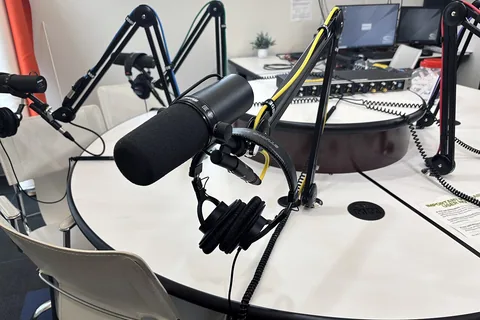
The studio is quiet, but the air feels tight. The host leans close to the mic. A late scratch drops five minutes before tape. The line shifts while the red light is on.
9 min read