
ArchiveSponsored
All About 32Red Casino
Discover everything you need to know about 32Red Casino, from game variety to bonuses and payouts.
5 min read
9 min read
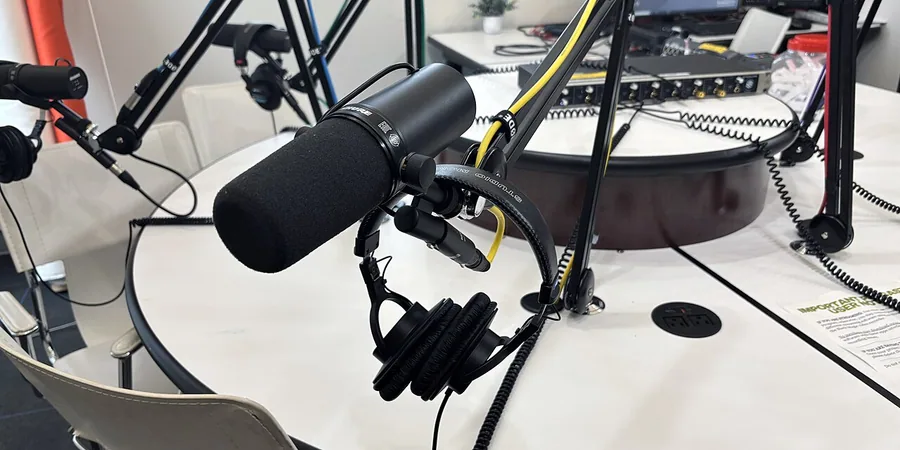
Photo: Microphones in SPNN Podcast studio-01 — Myotus, CC BY 4.0. Wikimedia Commons.
The studio is quiet, but the air feels tight. The host leans close to the mic. A late scratch drops five minutes before tape. The line shifts while the red light is on. In the control room, a producer marks the timecode. Do we keep the hot take? Or cut the clip, add a note, and be clear with the audience? That tiny call, in a small, dark room, is what makes an audio show about betting rise or fall. This story is about those calls, big and small, and how to make them right—so the show is sharp, fair, and safe for listeners.
Audio has reach. Many people now hear news and tips in their ears each week. See the podcast audience 2024 report for fresh facts on growth and habits. Trust also plays a role. Voice feels close. In global data, people still show strong trust in known voices and shows. The Reuters Institute Digital News Report gives good context on where and why.
But betting is not normal news. Odds change fast. Money is at risk. Some fans are very young. Audio teams must mix speed with care. They must label ads, cite sources, and remind people to play safe. This is hard work, not fluff. It can be done, and done well.
What audio does best: clear story, warm tone, and a sense of time. A host can slow down and explain how a line moved. A guest can tell a short, real story on air. Listeners can learn on a walk, or on a drive. As research shows, audio time is strong and steady. See Ofcom Media Nations research for how people use audio each week.
Where audio can fail: odds go stale. A line that was smart at noon can be bad by night. Audio also lacks charts by default. A fast prop trend is hard to “show.” So, good betting shows add short notes, timestamps, and links. They flag the book and time for any price. They avoid hype lines that age in hours.
There is no one “right” betting show. But some shapes fit the ear:
These formats travel well, even if your sport or region shifts. The key is to focus on what the listener can use today, but also what will make them smarter next month. Keep a log of sources. Mark when odds were taken. Keep ad reads honest and clear. The table below turns formats into actions.
| Rapid Odds Explainers | Short context on line moves, in plain English | Cite data source; timestamp prices; name odds provider | Say prices change; avoid “locks”; note age/legal limits | Lines on the Move |
| Sharp vs. Public Debate | Two views; why the market leans one way | Host and guest bios; disclose ties to books or teams | No advice claims; remind listeners of risk | Square vs. Sharp |
| Analytics Breakdown | One stat, one edge, one caveat | Link to model note; state sample size and limits | Avoid urging live chase bets; set cool-off tone | By the Numbers |
| Injury/News Desk | Late info that can swing a spread or total | Verify vs. official team or league posts | No push to rush bets; share time of update | Status Report |
| Responsible Gambling Minute | Tools, limits, and help lines | Point to known orgs; read a short on-air disclaimer | State age limit; local laws; link to help | Play It Safe |
| Mailbag Basics | Clear answers to common terms and rules | Glossary link; example slips; show math | Note odds are examples; not offers | Ask the Book |
| Books 101 | How vig, limits, and promos work | Neutral tone; third-party sources | Explain promo terms plainly; no guarantees | Inside the House |
Say what is paid. Say what is not. Use clear words. The FTC Endorsement Guides explain how to mark ads and host reads. If you reach the UK or use UK data, read the UK Gambling Commission marketing and advertising rules. For US sports books, the American Gaming Association Responsible Marketing Code shows clear lines on tone, age gates, and claims.
Keep a short “Play safe” box on each page and in each show. Add a help link. The National Council on Problem Gambling helpline resources is a trusted place to send people who need help. Avoid “can’t lose,” “sure thing,” and other claims. Do not urge fast, live, or chase bets. State that odds are for info, not offers. This is not legal or financial advice. You serve the listener first.
Build a “source sheet” for each episode. It has: the odds provider, the time you pulled lines (with time zone), links for injury news, and the name of the person who checked each fact. If an edit changes risk terms or odds, add a note in show notes and read a one-line update on the next episode.
Mark ad reads in the script. Use the same tone as the show, but be clear when you switch to a paid part. Store raw audio and notes for 12 months. Keep a light touch on corrections: one clean line on air, plus a short tag in the notes with the date. This builds trust and keeps the flow.
Your words in app fields matter. Follow the Apple Podcasts content requirements for titles, art, and tags. See Spotify podcast metadata tips for how to write short, clear show notes that help search and help the user. Use a transcript for every episode. It helps with access and with search. Keep it clean and near the audio player.
Do not stuff terms. Write in your voice. Put key facts high in the notes: the theme, the segments, the source list, and any updates. Link to any data set or news. Use a simple, stable URL for the show and each episode. Add an FAQ block for the most asked terms.
Money can come in without harm to trust. Host-read ads can work if they are short, marked as ads, and true to the show. Dynamic ad slots help you swap old promos without re-cutting the tape. For a view of the market, see the IAB Podcast Advertising Revenue Study. Keep ad loads light, and try to keep them in neat breaks, not mid-thought.
Set a rule for who you will not take money from. Note that rule on your site. If you work with a sportsbook, say so in the episode and in the notes. Say what that means in practice. This is how you hold the line between trust and cash.
Watch finish rate and the first 10 minutes. If people drop at the same time each week, fix that segment. Save time stamps for key topics so you can see what people “chapter skip.” For link clicks, track visits to your “Play safe” page and to any help lines. If you use third-party tools, Chartable podcast analytics can show growth by episode, by source, and by ad tag.
Do not chase one big spike. Slow, steady gains and a kind, clear show win. Care beats hype.
Caselet 1: A Friday preview show taped at 11:00 a.m. The host said a star was “probable.” At 1:15 p.m., the team ruled him out. The producer added a one-line audio tag at the top: “Note: At 1:15 p.m. ET, Player X was ruled out. Lines moved from -2.5 to +1.5.” The notes linked to the team post. Result: trust stayed high, the comment feed was calm, and new listeners praised the clear fix.
Caselet 2: A mailbag on “bankroll.” The team cut a fun riff that strayed into “bet more to win back.” They kept the joke, but not the advice. In its place, they ran a 45‑second “Play it safe” tip with limits and help lines. Listeners wrote in with thanks. The team now runs that tip once a week.
Want a clear guide on what “helpful content” means for your show pages? Read Google’s guidance on helpful, reliable content. If you have a site for your show, add basic schema so search tools read it right. Start with PodcastSeries schema for the main feed and add episode data as you grow.
If your show touches casino talk or game guides along with sports, you can link to plain, neutral resources that explain terms and rules. A good, simple read is the Canadian Casinos Online slots guide. It helps readers learn slot basics, RTP ideas, and how to check license info before they play. Use it as a reference, not a push to bet.
Q: Can we say what book to use?
A: You can name books you cover, but be fair, clear, and legal. Disclose ties. Share rules and risks. No “sure win” talk.
Q: How do we handle stale odds?
A: Time-stamp every price, say the source, and add a short note if a line flips fast. Read a one‑line update on the next show.
Q: Do transcripts help?
A: Yes. They help search, help users skim, and help people who do not hear well. Keep them clean and near the player.
Q: What metrics matter most?
A: Start with finish rate, early drop points, saves, and clicks to help links. Watch steady growth, not one‑off spikes.
Q: What is a safe way to do host reads?
A: Mark them as ads. Keep the tone real. Avoid claims of outcomes. Add a “play safe” line and a help link.
Back in the booth, the light goes red again. The host breathes, then keeps it simple: say what you know, say how you know it, and say what might change. That is the job. Do that, and your show will teach, not tease. It will earn trust, not clicks. And yes, it can still pay the bills.
This article links to the sources below and reflects standard podcast practice used by sports and news teams. Odds, where used as examples, must be time‑stamped and sourced in your own show notes.
Educational use only. Not financial advice. Check your local laws and age limits.
Last reviewed: July 2026
Discover everything you need to know about 32Red Casino, from game variety to bonuses and payouts.
5 min read

Discover the key benefits of mobile casinos. Play Pennsylvania online casino games on your phone or tablet, enjoy casino apps for iPhone, claim free spins, deposit bonuses, and win jackpots…
3 min read

By Jordan Lee, sports law analyst and former Division I compliance coordinator…
9 min read