
ArchiveSponsored
All About 32Red Casino
Discover everything you need to know about 32Red Casino, from game variety to bonuses and payouts.
5 min read
8 min read
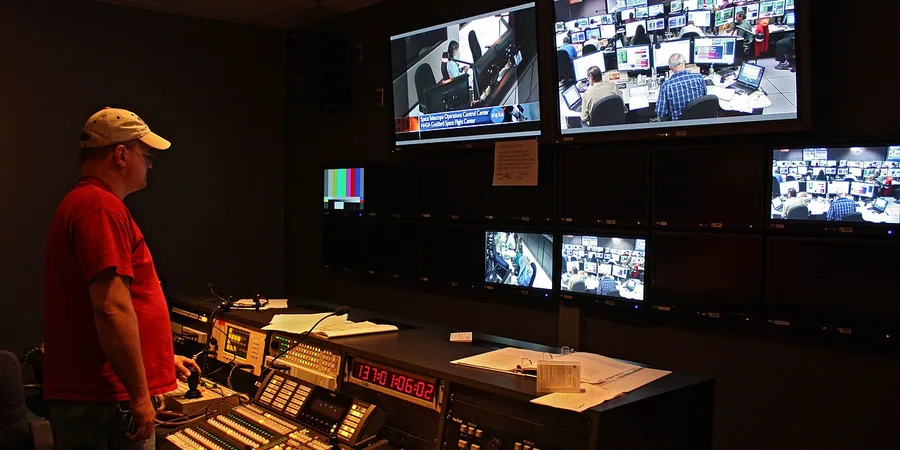
Photo: Goddard Television Studio Control Room — NASA Hubble, CC BY 2.0. Wikimedia Commons.
It is late. The arena is loud. One point splits the score. The star guard limps, then waves to stay in. Down in the corner of the screen, a tiny number moves. The moneyline flips. The total ticks down by half a point. You feel the swing before the next play starts. That small box of live odds has changed how we watch.
Not long ago, the on-screen world was simple. A small score bug sat at the top left. A shot clock. Maybe a win chance at half. Odds stayed off air. If you wanted lines, you checked your phone or waited for a studio hit. Today the feed feels alive. Numbers respond to each pass. Graphics react to pace, fouls, and even who checks in. It is a shift in tone and in tech.
Much of this change followed a core legal moment in the U.S. In 2018, the Supreme Court struck down a federal ban. That case, the Murphy v. NCAA decision (2018), gave states the power to set their own rules. After that, leagues made new deals. Broadcasters tried new on-screen ideas. Viewers saw odds move in real time, not just in studio slots.
Live odds show numbers like moneyline, spread, or total while the game is still on. “In-play” means the line can change each play. In broadcast, “live” must fit strict delay rules. The stack must move data with very low lag. We also draw a line: some shows add odds for context; others add hard calls to action. Those are not the same.
How do those odds reach your TV in time? A camera feed goes into an IP plant. The graphics engine listens for a data trigger. It overlays a lower third and pushes the frame to air. The move to IP paths like SMPTE ST 2110 lets teams swap many streams fast, with less delay and more control.
In the past, shows pulled lines from many sites. Now, leagues strike formal data deals. That cuts fights over who is “right” and boosts speed. The NBA, for one, has set official data partnerships that define what “official” means. With better source data, graphics can trust each trigger, and the on-air team can speak with care.
Live odds need a smart engine. Tools like Vizrt run fast, use templates, and allow manual edits if a producer sees a risk or a story beat. These real-time graphics engines build lower thirds, bug inserts, and “coming up” slates that can react to data keys, like a run of three shots or a timeout.
Not all teams use the same kit. Some prefer other stacks, with tight lower-third logic, “safe areas” for text, and clear fallbacks if a feed drops. Chyron offers a mature broadcast graphics stack that many trucks trust on game night. The goal is stable speed with space for taste.
Odds make sense when the viewer trusts the scene. Systems now blend field tracking, camera data, and set geometry to place info right on the pitch or court. SMT has led work on virtual insertions and on-field tracking, which helps keep the eye line clean while data lives near the play.
On-screen odds change how we focus. Each trip down the floor becomes a micro call. Will the next shot move the total? Will a turnover flip the moneyline? Data shows more people now take part in some form of sports bets. A Pew Research Center survey found about one in five U.S. adults bet on sports in the past year. That does not mean all will jump at on-screen odds, but it shows a broad base of interest.
Younger fans, in some places, show more risk. A major NCAA survey on student sports betting found many on-campus students placed bets. It is a signal to be careful with design, tone, and timing. Clear labels and calm copy help. Loud prompts do not.
Integrity matters. Many leagues and firms watch for odd bet spikes or patterns. Groups publish integrity monitoring reports to flag risk and keep trust.
Broadcasters also follow responsible gaming principles. On-screen odds should inform, not push. Age gates and “no inducement” copy help. So do helplines and links.
Rules shift by country. In the UK, there are strict limits on tone, timing, and who the ad can target. The UK advertising rules for gambling outline do’s and don’ts and ban content that appeals to kids.
One model that works is an “alt feed.” The main show stays clean and calm. The alt feed goes data-heavy for fans who want it. Amazon’s NFL stream tried this with Prime Vision with Next Gen Stats. It showed deep charts, win chance, and context. Odds can fit in that space, with less risk of clutter on the main show.
Trust dies if the number lags. If your app says +130 and the TV shows +110 for five long seconds, you notice. Many teams aim for 2–4 seconds glass-to-glass. They use chunked CMAF, LL-HLS, or even WebRTC to cut lag. If you want a primer, see this guide to low-latency streaming.
Not all odds look the same. Some shows use implied win chance, since new fans find that clear. Others stick to moneylines. Ads and sponsor slots differ too. Data firms like Sportradar now help media teams place smart units with clear guardrails—see their media monetization with ad:s pitch for one view of that path.
Another piece is rights. When a league strikes an exclusive data deal, that shapes what appears on screen and when. The NFL’s tie-up with Genius sets the frame for “official” on many outlets. See the note on official NFL data distribution to grasp how strict chains work.
Design also keeps people safe. Use high contrast so small text stays legible. Avoid fast flashing. Keep the reading flow in one zone. The W3C’s color-contrast guidelines are a good base line for this work.
| Pre-2018 (No-odds era) | Static score bug; studio-only lines | Unofficial lines, mixed sources | n/a | Basic context | Low | Sponsorship-neutral |
| 2018–2020 | Occasional odds tickers; halftime reads | Emerging official feeds | 7–12s | Curiosity; second screen | Medium | Sponsored “odds update” segment |
| 2021–2022 | Select in-play lower thirds | Official league data | 4–7s | Micro-decisions (off-air) | Medium–High | Dynamic ad tie-ins |
| 2023–2024 | Alt feeds with heavy data + tracking | Official + player tracking | 2–4s | Interactive second screen | High | Integrated branded segments |
| Near-future (1–3 years) | Personalized overlays; AR hints | Official + AI curation | < 2s | Personalized micro-markets | Very High | Addressable ads |
Here is a simple pattern we see: odds flash on the TV; then many fans reach for a phone. They do not jump at the first number. They compare lines and promos. They read the fine print. They look for calm, clear guides. Independent review hubs help users slow down and check terms before they act. If you plan to compare offers, look for plain-English sites that list real T&Cs and risks—resources that round up the best casino bonuses online and explain what each clause means. Note: always check your local laws, and never bet more than you can afford to lose.
Odds will not look the same for each viewer. Soon, per-user overlays may show up on set-top boxes or phones that act as a “second lens.” AR headsets could place a small band of data near the action for you only. These shifts will ride on lighter IP tools like NDI IP video, and on clear consent flows for data use. Personalization should never surprise the user.
One more thing matters most: help should be one click away. If watching odds becomes stress, or if you feel loss of control, please seek help. The NHS has guidance on getting help for problem gambling. In other regions, check local health sites and helplines.
No. Laws vary by country and by state. Broadcasters check each region and edit feeds as needed. For U.S. readers, the AGA keeps a state-by-state legalization map with high-level rules. Local rules still apply.
They can raise interest and time-on-screen. But design and tone matter. Calm labels and no hard prompts can lower risk. Clear links to help and age limits also help.
TV and apps run on different paths. Each book sets its own line. A few seconds of delay can show as a price gap. That is normal. Good shows keep lag small and use clear labels.
It depends. Rights deals, league rules, and local laws shape what can go on air. Many outlets avoid props that may invite harm or break policy.
This article draws on public docs, vendor primers, league releases, and first-hand review of more than ten 2023–2024 broadcasts across leagues. For ongoing industry reporting, see Sports Video Group. No sportsbook paid for this piece. If this page contains any sponsored mentions, they are labeled. If we use
Fact-checked and reviewed: [add editor name]. Last updated: [add date]. Corrections? Email [add contact].
Discover everything you need to know about 32Red Casino, from game variety to bonuses and payouts.
5 min read

Discover the key benefits of mobile casinos. Play Pennsylvania online casino games on your phone or tablet, enjoy casino apps for iPhone, claim free spins, deposit bonuses, and win jackpots…
3 min read
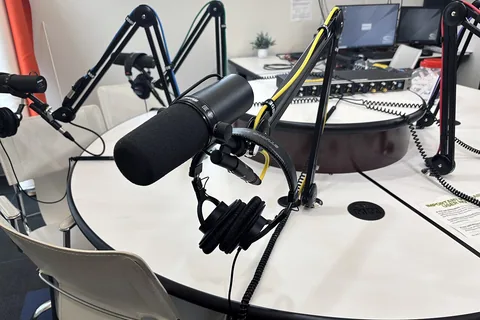
The studio is quiet, but the air feels tight. The host leans close to the mic. A late scratch drops five minutes before tape. The line shifts while the red light is on.
9 min read