
ArchiveSponsored
All About 32Red Casino
Discover everything you need to know about 32Red Casino, from game variety to bonuses and payouts.
5 min read
9 min read

Photo: Online problem gambling — kalhh, CC0. Wikimedia Commons.
One day, a headline cheers: “Most Americans fine with gambling.” The next week, a new story warns: “Voters fear betting harms kids.” Both claim to show what people think. Both cite “a new poll.” If you feel lost, you are not alone. Long‑running moral acceptability trends draw one line. Fresh, fast surveys draw another. The gap is not a trick. It is how methods, words, and timing shape the story we read.
“Gambling” is not one thing. Lotteries are not the same as sports betting. Slots in a pub are not the same as an online casino app. Some people hate loot boxes in games, but do not mind a raffle at school. So, when a poll says “attitudes to gambling,” we need the fine print. What forms were named? What forms were left out? The UK regulator runs a clear, steady tracker on this point. See the UK Gambling Commission public perceptions tracker for how they split products and harm.
Words matter. A small tweak can flip a result. “Ban all ads” sounds strong. “Set tighter rules on ads” sounds fair. These can pull different answers from the same crowd. If a survey gives a sad story first, then asks about policy, you get more support for strict rules. That is a classic wording and priming effect. For a short, plain guide, see Pew’s Methods 101 on question wording.
Small words, big swings. “Should we ban online gambling?” is harsh and moral. “Should we regulate online gambling?” is calm and practical. The first makes you pick a side. The second leaves room for nuance. Lead‑in text also nudges. If a poll primes “problem gambling” right before the key question, concern climbs. None of this is fraud. It is survey design. The fix is simple: read the question text, not only the headline.
How the poll runs changes who speaks and how they speak. On the phone, people tend to give “safe” answers. With a screen, they open up a bit. Younger men are easier to reach online than on landlines. Older people still pick up the phone more often. So phone polls can tilt one way; online panels, another. Ipsos has a good note on this split: online vs. telephone mode effects.
Who did the poll miss? That is coverage. Was it random digit phone calls, a mail sample, or an online panel? Nonprobability panels can be fast and cheap, but they have bias risks. AAPOR, the main body for survey pros, explains limits and best practice for such samples. See AAPOR guidance on nonprobability samples and coverage. If key groups are thin in the sample—say, people with no bank card—opinion on gambling can look rosier than it is.
When you ask matters. A match‑fixing story breaks on Monday. By Friday, support for tighter rules may jump. During the playoffs, betting feels normal, and numbers for “legalize sports betting” can rise. Then, a week later, they settle. A single poll can freeze a mood that lasts only days.
Some topics feel touchy. Gambling can be one. People may under‑report their play or over‑state harm when an interviewer is on the line. Online, with no voice on the other end, they may be more frank. Panels also have profile skews that matter for this topic. You can see that in YouGov’s write‑ups on UK attitudes to gambling and ads, which show sharper age and gender splits than many phone polls.
News needs a frame. “Moral panic” is one frame. “Economic boost” is another. Both are tidy and quick. But a neat frame can hide method notes, caveats, and splits inside the data. The Reuters Institute has shown how framing guides what readers remember and share. The cost of a tight frame is nuance. A strong headline must pick one number. It may skip the parts that do not fit the arc.
Editors also love change. “Support surges” beats “Support holds.” Yet small shifts sit inside the margin of error. Treat them as “noise” unless several waves point the same way. For a sober view on how panic shapes coverage, see the Columbia Journalism Review on moral panics and reporting patterns.
One map shows a wave of green across the states. Sports betting is legal in many places now. That map is useful, but laws do not equal love. Local votes can still block casinos or retail books. A poll on “support for legalization” can look high, yet a town vote on a venue can fail. To track law, use the National Conference of State Legislatures resource on sports betting. To track sentiment, note that some surveys are paid for by the industry. The American Gaming Association often commissions polls; they publish methods, but read with that context in mind.
UK readers have seen many stories about gambling ads near sport. Some polls say “most want a ban.” Others say “people back limits, not bans.” Both can be true, due to how the question is asked. The rules are strict already, and adults often over‑estimate youth ad exposure. If you need the rule book, see the Advertising Standards Authority’s gambling ad rules. For real exposure trends (not fear), review Ofcom’s data on children’s TV ad exposure. Then put the new poll in that frame.
In Australia, slots in pubs (“pokies”) carry a strong harm image. Sports betting sits in a different mental box. So “public opinion on gambling” splits by product very hard here. Community studies often find high worry about pokies harm, while support for rules on sports ads is more mixed. For a grounded view, the Victorian Responsible Gambling Foundation tracks community attitudes to gambling harm and breaks out product types.
Below is a guide to show why “the number” moves. It lines up polls that touch the same theme—acceptability, harm, or support for rules—but that use different questions and modes. Do not chase the highest or lowest percent. First look at who asked, how they asked, and when. Then judge the figure.
| United States | Annual trend (varies by year) | Gallup | “Is gambling morally acceptable or morally wrong?” | See Gallup methods (has changed over time) | U.S. adults (national) | See latest trend in source | Standalone moral items list | Trend breaks; mode changes; moral frame | Source |
| United States | Recent waves (by year/quarter) | American Gaming Association (industry‑commissioned) | “Do you support legal sports betting in your state?” | Online panel (typical) | U.S. adults (panel) | See report summary | Sports context; may follow big events | Commissioned study; panel profile; event timing | Source |
| United Kingdom | Ongoing tracker | UK Gambling Commission | “Gambling is fair and can be trusted.” / “Gambling is associated with crime.” (agree/disagree) | See UKGC technical notes | GB adults (tracker) | See latest wave | Product list shown in survey | Split by product; harm priming in module | Source |
| United Kingdom | Snap poll (date varies) | YouGov | “Should gambling ads be banned during sports?” | Online panel | GB adults (panel) | See poll page | Question mentions “ban” | Wording (“ban” vs “limits”); panel age mix | Source |
| Australia | Periodic studies | Victorian Responsible Gambling Foundation | “How concerned are you about gambling harm from pokies/sports betting?” | See study methods (mixed) | State/community samples | See latest report | Product‑specific wording | Product focus; harm frame; local samples | Source |
| Global sample | Annual/multi‑year | Ipsos (Global Advisor or similar) | “Should gambling be legal?” / “How harmful is gambling?” | Online panel (multi‑country) | Online populations in each country | See country tabs | Often near news on sport or policy | Online‑only coverage; culture gaps; translation | Source |
This is not a “stats nerd” issue. Poll noise can move law. A hot headline can fuel panic, and then a fast rule follows. Next year, a softer poll pushes back, and rules swing again. Firms plan on a shaky base. People at risk may not get the help they need if the frame is wrong.
It also shapes how people judge each other. Strong moral frames can raise shame. Shame stops people from seeking help. If you or someone you know needs support in the U.S., use the National Council on Problem Gambling help page. For clinical terms, see the WHO ICD‑11 entry for gambling disorder. Use these as anchors when you read claims about “addiction rates” in the news.
Readers also need clear, non‑promo guides to make safer choices. Independent review portals that list license status, dispute paths, and safer‑play tools give context. For country‑specific payment safety, a plain, step‑by‑step guide on how to pay safely with PayPal at Austrian online casinos can help you judge risk and terms before you click. The point is not to push you to play. It is to help you read offers and systems with care.
It depends on place and product. In some U.S. trends, moral acceptability has stayed steady or moved a little. Support for legal sports betting rose with new laws and media talk. In the UK, trust in the sector has dipped, while support for some ad limits rose. Read the product split and the time frame before you judge “tolerance.”
Some do, some do not. Harm is real for a small share of people, and it can be severe. But stories can frame rare, tragic cases as “the norm.” They can also skip base rates or mix youth fears with adult data. Use regulator data and clinical sources to cross‑check broad claims.
Online panels are fine for many questions if methods are sound and weights are clear. But they may skew young and male, which matters for betting views. A good study will show quotas, weights, and caveats. Always read the technical note.
Law, culture, and products differ. The U.S. has a new legal sports boom; the UK has a long, mature market and years of debate on harm. Methods also differ: more phone in some U.S. series; more online panels in UK media polls. Compare like with like.
How we built this: We reviewed public, citable sources from long‑running pollsters, regulators, and major research bodies. We avoided paywalled data for key claims. We checked wording, field dates, and who paid for each poll. We linked to methods pages when possible.
This page is information, not advice to gamble. If gambling harms you or someone close, seek help through the NCPG or local services. Last reviewed: 26 March 2026.
Discover everything you need to know about 32Red Casino, from game variety to bonuses and payouts.
5 min read

Discover the key benefits of mobile casinos. Play Pennsylvania online casino games on your phone or tablet, enjoy casino apps for iPhone, claim free spins, deposit bonuses, and win jackpots…
3 min read
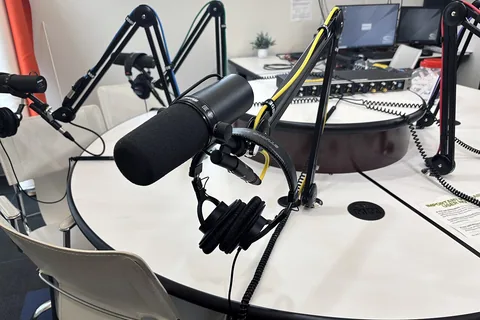
The studio is quiet, but the air feels tight. The host leans close to the mic. A late scratch drops five minutes before tape. The line shifts while the red light is on.
9 min read