ArchiveSponsored
All About 32Red Casino
Discover everything you need to know about 32Red Casino, from game variety to bonuses and payouts.
5 min read
9 min read
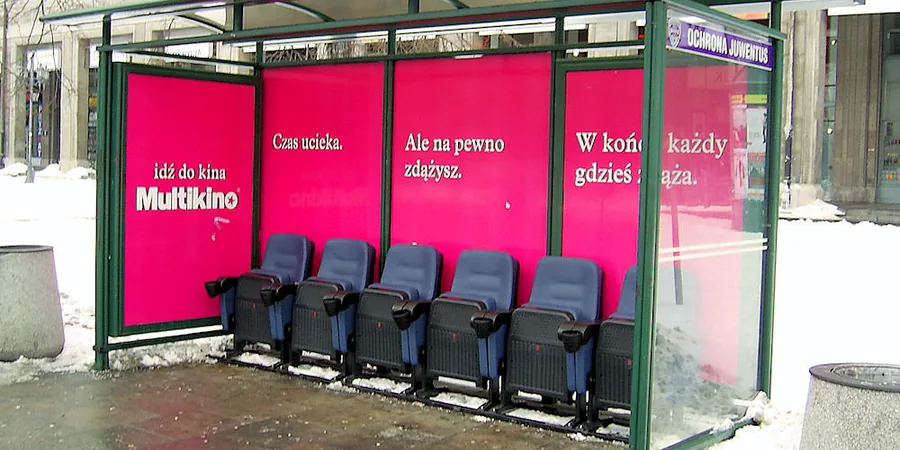
Photo: Bus shelter in Warsaw (24048554953) — Janusz Jakubowski from Warsaw, Poland, CC BY-SA 2.0. Wikimedia Commons.
A soft piano note. A slow pan over a living room at night. A phone buzzes. A calm voice says, “Set a limit before you play.” The logo fades in; the spot ends. We have all seen a version of this ad. Same tone, same promise, tiny line of text at the bottom. But why this style? Who chose this frame? And what does it change in real life—if anything?
This piece looks at the frames inside responsible gambling (RG) campaigns, how rules and platforms shape the message, and how to test what works. It is not a lecture. It is a field note with proof. Simple words, clear steps, real trade-offs.
“Gamble responsibly” sounds neat. But as a slogan, it hides the work. Real RG is a set of choices: which risk to name, which tool to show, which person to center, which rule to obey, and which outcome to track. That is framing: you pick a lens, and the lens guides what people see.
It helps to keep harm top of mind, not just “play smart.” A broad evidence review of gambling-related harms shows a mix of health, money, and social risks. If our frame hides these, people will miss the point. If our frame scolds, people switch off. If our frame offers real tools at the right time, people may act.
Framing is the story’s skeleton. Who is the main person? What is the tension? Where is the choice? A frame can cue fear (“loss”), care (“support”), or skill (“tools”). Same facts, different path to action.
We also need a clear line between normal play and risk. The ICD-11 classification of gambling disorder places disordered play in a health context. That matters for tone. You can face harm without blame. A good frame shows help and control options without shame.
What this looks like in the wild: Two ads use the same line—“Take a break.” In one, the vibe is a warning siren. In the other, it is a gentle pause with a one-tap button. The second one earns more clicks on the break tool. The frame did the work.
This is the public service spot. Calm voice, soft light, “Know your limits.” It can reach a wide crowd and set basic norms. But it can drift into a moral tone. If the viewer feels judged, they tune out. If it names a risk but hides the “how,” it drives worry, not action.
What helps: keep the tool on-screen. Show a 3-step path. Use plain text. Focus on a small, doable action. There is solid Responsible Gambling Council research on message clarity and help-seeking cues.
Brands pledge standards. They add labels and run RG weeks. This can raise the floor across a market. But it can feel like PR if the change is hard to spot in the product. A code is only as strong as what the user can do on the next tap.
If you use this frame, link it to real rules in ad copy and design. For ad teams, the industry code of conduct for responsible advertising offers a guardrail for tone, placement, and youth safety.
A real person shares a short story. It is vivid and human. It can cut through noise and spark help-seeking. But it can also turn into drama that leaves the viewer with fear and no next step.
Always pair a story with a tool and a path to support. See support services and standards for how to link on-screen copy to real help and to staff training.
This is not a TV spot. It is a product choice. You add “Set deposit limit” in sign-up, slow the scroll after X minutes, or show a session timer by default. Small friction can help a lot. But if it feels like a trick or a dark pattern, trust goes down fast.
Keep the UI clear, with fair choices and no hidden steps. Research from the Division on Addiction points to careful use of prompts and timing. Show why the prompt appears. Make “No thanks” easy, but make “Help me choose” easier.
Regulators and platforms set the rails. In the UK, the ASA has strict advertising rules for gambling, with a focus on youth. That changes who sees your ad and which images or claims you can show.
Large ad systems add more limits. The Google Ads policy for gambling sets by-country rules, gate checks, and formats. The Meta ad standards on gambling restrict who you can target and how you must apply. Your frame must fit these shells, or your spend will never run.
Plan early with legal and media teams. If you need youth safety proof, get it before the creative lock. If your ad cannot show a tool, put the tool in the landing page above the fold.
Young people and at-risk groups do not all see the same feed. They sit in different channels, time slots, and app surfaces. That means you map frames to channels on purpose. Hard rule spots (TV) can set norms. On-site UI can drive tool use. In-app video can teach a step in 15 seconds.
For context on youth and exposure, the UKGC’s Young People and Gambling 2023 survey is a clear read and shows where young people meet gambling-like content.
| PSA | TV / OOH | Calm tone, on-screen 3-step guide, helpline tag | Awareness, recall of tools | Moral tone, no action path | 30s spot shows how to set a limit, ends with a clear URL | Helpline CTR on QR, aided recall in post-test |
| Industry self-reg | Owned blog / PR | Policy summary, staff training quote | Trust, standard setting | Seen as PR, low user value | Post explains ad rules and what changed in app this week | % of users who see and try a new RG feature |
| Lived experience | YouTube / TikTok | First-person clip, simple lesson, end-card CTA | Help-seeking, empathy | Drama without tools | 90s story plus a 10s how-to set a time-out | Post-view tool adoption in 7 days |
| Design nudge | On-site UI | Default prompt, progress bar, respectful copy | Limit setting, session breaks | Dark pattern risk, annoyance | Deposit step includes “Set limit now” by default | Limit enable rate, time-to-first-limit |
| Design nudge | Push / in-app | Timed reminder, one-tap break | Shorter sessions, cool-off use | Spam feel if too frequent | Push after 45 min: “Need a pause? Tap to take 10.” | % sessions with breaks, opt-out rate |
Note: Pair each frame with at least one behavior metric. Clicks are weak. Tool use sticks. When you can, test a “frame + channel” set against another set, not just a single ad vs. ad.
Good RG work moves behavior, not only views. Track tool enable rate, time-to-limit, % of sessions with breaks, self-exclusion starts, and help-page dwell time. Use A/B tests when you can. If you cannot randomize, use before/after with a clear cohort and a fixed look-back window.
Look for learning from public and academic hubs. The UNLV International Gaming Institute shares insights on harm minimization. The American Gaming Association keeps a set of AGA responsible gaming resources. Both stress fit-for-channel, staff training, and better metrics than simple clicks.
UK: Youth safety rules drive creative. No teen-like styles. No sports stars who appeal to under-18s. Font sizes for disclaimers matter. Many brands move tool demos to landing pages to fit rules on air.
New Zealand: A public health lens shapes tone and spend. The Ministry of Health’s New Zealand’s strategy to minimise gambling harm blends services, data, and culture-aware outreach. Campaigns use local voices and clear tool walkthroughs.
Canada: Focus on standards and staff skills. Teams tie campaigns to on-site help, live chat, and clear steps to set limits. Fewer slogans, more “how-to” moments in product.
Most change happens in the product. If “set a limit” is on TV, make it one tap in the app. If you talk about breaks, show a real timer in the header. Respect the user: no traps, no guilt, no noise. Explain what each tool does in plain words.
If you need a plain view of how deposit limits, time-outs, and self-exclusion work inside US mobile apps—and you want to compare clean UX across brands—see US online casinos with the best mobile apps by CasinoReviewBank. For people who want help now, find confidential help and resources that are free and open late.
Do not dress up product KPIs as “care.” If your aim is longer sessions, do not put it under an RG banner. Do not shame. Do not use fear with no next step. Do not hide the opt-out. And never target under-18s or vulnerable groups.
Use clear rules of thumb and review them often. The NCPG’s responsible gambling principles are a good start: choice, informed consent, privacy, and real access to help.
Do safer gambling PSAs reduce harm or only raise awareness?
They can do both when the ad shows a tool and a next step. If it is just a slogan, expect recall, not action.
Which channel makes RG messages feel least like PR?
On-site UI with a clear tool, or a short how-to video that ends in a one-tap action.
Are design nudges more effective than media buys?
Often yes for behavior change. Ads can spark interest; the product makes it stick.
Where can I read a simple overview of harms?
Try this short overview of gambling harms. It is clear and practical.
This article blends hands-on campaign and product work with public sources. We cite regulators, public health groups, and industry bodies. Links above go to rules, reviews, and research so you can check claims fast.
Rules vary by market. ASA and UKGC notes are UK-specific. Google and Meta rules vary by country and account. Always check local law and platform terms before you plan a campaign.
If gambling is causing stress or harm, you can call the NCPG 24/7 at 1-800-522-4700 (US). Support is free and private. If you are outside the US, check your local health site for a helpline in your area.
Byline: Alex Carter, marketing lead turned safer gambling specialist. 10+ years in creative, growth, and product for regulated markets. Works with compliance, UX, and data teams to build tool-first RG flows. LinkedIn on request.
First published: 2026-06-12 • Last updated: 2026-06-12 • For information only; not legal, medical, or financial advice.
Discover everything you need to know about 32Red Casino, from game variety to bonuses and payouts.
5 min read

Discover the key benefits of mobile casinos. Play Pennsylvania online casino games on your phone or tablet, enjoy casino apps for iPhone, claim free spins, deposit bonuses, and win jackpots…
3 min read
The studio is quiet, but the air feels tight. The host leans close to the mic. A late scratch drops five minutes before tape. The line shifts while the red light is on.
9 min read