ArchiveSponsored
All About 32Red Casino
Discover everything you need to know about 32Red Casino, from game variety to bonuses and payouts.
5 min read
8 min read
Published: 2026-02-25 • Last updated: 2026-02-25 • Nothing here is betting or financial advice. Know your local laws. Wager only if it is legal and safe where you live.
The kettle clicks. A phone lights up on the counter. It is ten minutes to kick-off. You open one sports app to read a match preview. A pop-up asks you to log in. Another asks you to buy a pass. The stream loads. Odds slide across the screen. Your group chat pings with a boosted line. You just wanted to watch the game. But the screen now mixes goals, subs, ads, and prices. You feel a small pull. You also feel a small push back. Do you trust this?
We pay for three things, most of the time. First, the games: live video, replays, and clips. Second, the talk: news, stats, and smart views. Third, tools: alerts, widgets, and, in more places now, betting links. A paywall can guard any of these. A bundle may mix many of them. The hard part: when sports news and sports betting sit side by side, what wins — our time, our trust, or the click on an odd?
Sports is still a big driver for paid media. But the way fans pay is in flux. Bundles rise and fall. Niche sites try to hold ground. Hybrid models grow. For the wider picture on news and pay, see the Reuters Institute Digital News Report 2024. It shows that paid news use is flat in many places, yet sports and entertainment can still pull in subs.
How we get news is also changing by age and by platform. Social clips and push alerts matter more each year. Long reads still work for some fans, but not all. The Pew Research Center on news consumption keeps a clear, long view on this shift. In the UK, screen time keeps moving from broadcast to on-demand. Ofcom’s yearly Media Nations report gives useful detail on that trend.
On one side are core goals for media: tell the truth, be fast, and keep trust. On the other side are clear money goals: add average revenue per user (ARPU), lift lifetime value (LTV), and cut churn. Betting deals can help the money side: a license fee, a rev share, or a brand tie-up. But they can also blur the newsroom line. When odds sit near a headline, fans may ask: is this here to inform me or to nudge me?
Ad spend in sports is huge and still growing, and brands want proof of return. See Nielsen Sports on sponsorship and ROI for how teams and media sell reach and impact. Yet norms shift too. In English football, clubs agreed to drop front-of-shirt gambling ads. Read more in the Guardian’s report: Premier League to remove gambling sponsors from shirt fronts. That choice shows how public pressure, rules, and trust push back.
Not all brands do this the same way. Some keep clear space between news and odds. Some license their name to a book. Some own a book. Some tried and stepped back. Here is a snapshot, not a full map. The point is to show patterns, not to judge. Links in the Source column point to public records.
| ESPN (US) | Mixed: bundle for video; much site text is free | Brand licensed for ESPN Bet via PENN | Yes (press and PR statements) | Disclaimers on betting content; age-gated promos | ESPN–PENN Entertainment strategic alliance (press release) |
| theScore (CA) | Free news app; video rights vary by league | Owned sportsbook (theScore Bet); later tied into PENN | Yes (public product notes) | Provincial rules (e.g., AGCO) apply | Penn Entertainment completes theScore acquisition |
| Sky (UK) | Pay TV + digital apps | Brand history with Sky Bet (brand under license; separate owners) | Yes (brand and ad policy pages) | ASA/UKGC ad rules; shirt sponsor limits context | UK Gambling Commission guidance |
| FOX (US) | Pay TV + digital | FOX Bet ended in 2023 | N/A after wind-down | Separation after shutdown | Flutter: FOX Bet to be wound down |
Note: This table is a snapshot. Models shift by market and over time. Check primary sources before you act.
In the US, sports betting is legal state by state. The American Gaming Association state-by-state map keeps track. In the UK and many EU states, there is a national rule set. The UK Gambling Commission guidance shows key rules on ads, age checks, and safer play. Ad rules change too. The ASA now bars ads that may draw in under-18s. See: ASA: new rules for gambling ads to protect under-18s.
Most newsrooms have rules to avoid a clash between money and news. Clear rules help staff say no to a push from sales or a sponsor. A well known set of rules in the US is The New York Times Company standards and ethics. Sports brands may not copy these word for word, but the core ideas are the same: disclose ties, keep control of the story, and fix errors fast.
In practice, editors use simple guardrails. Betting odds do not change a headline. A tip piece is marked as opinion or as sponsored. Writers who set odds do not also cover the same team beat. Sales and news sit on different floors, at least in spirit. These small walls add up to trust.
Think of a normal Saturday. You get a push: “Your team is live in 15.” You tap. A paywall asks for $9.99 for the month. You pay. The stream plays. You see live xG, shot maps, and odds. A boost pops when a star gets a yellow card. You check your gut. Do you want this prompt in your live feed? You hit close. You save the match. You want the stats, but not the push to place a bet. You wish you could set your view so odds do not show.
For fans: set your own line. Decide what you pay for (video, news, tools). Turn off push types you do not want. Use trusted news and check if it has ties to a book. Look for clear tags on sponsored content. If you bet, bet only with a licensed brand, and set hard limits.
For editors: write and post your firewall. Use strict labels. Keep ad teams and writers apart. Make a “no-go” list (no hype, no “sure wins”, no language that preys on fear of missing out). Provide an easy way to hide odds in apps. When you cover a deal with a book, tell readers your ties in the first screen.
For operators: respect the fan space. Do not flood live screens with pop-ups. Give more tools for safer play. Work with media on clearer labels, and on opt-outs for odds. Note that tie-ups shift. For ongoing deal news, trade reports from Sports Business Journal can be a good pulse check.
Editor’s note: If you compare legal sportsbooks, use an independent review hub. A simple guide can help you see limits, ID checks, and cash-out rules side by side. Always read terms. Stop when it stops being fun.
Transparency is not a nice-to-have. It is the base. If a link can pay a site money, mark it. The US FTC has clear rules on this; see the FTC Endorsement Guides (disclosures). Use plain labels like “Ad”, “Sponsored”, or “Affiliate”. Use rel="sponsored nofollow" on paid links. In video, say it out loud too. In apps, use a clear badge.
If you or someone you know needs help, there are real support lines. In the UK, start with BeGambleAware. In the US, the National Council on Problem Gambling lists hotlines by state. Set time and spend limits in any app you use. Take breaks. You do not need to “win it back”.
They can. A paywall may push premium odds tools to paid users. But good sites keep news and odds apart. Look for labels and for a way to hide odds if you want.
Sometimes yes, sometimes no. Many live streams show basic odds to all. Some sell deeper tools to paid users. You should be able to watch without a push to bet every few minutes.
They write rules. They label links. They keep ad teams out of story calls. They avoid “can you add this odds link to that headline?” They put trust first. See how big news brands write rules here: The New York Times Company standards and ethics.
In the US, rules vary by state. Check the American Gaming Association state-by-state map. In the UK, see the UK Gambling Commission guidance, and ad rules from the ASA: new rules for gambling ads to protect under-18s.
Check license status, KYC steps, limits, and fees. Read cash-out rules and promo terms. Use tools to set limits. Compare brands with a clear, third-party guide. If it feels rushed or unclear, walk away.
No. Some end. Some change shape. FOX Bet shut down in 2023. Read the note from Flutter here: FOX Bet to be wound down. Terms and markets shift fast.
This piece uses public records, press notes, and regulator pages. Data points on news and screen use come from the Reuters Institute Digital News Report 2024, the Pew Research Center on news consumption, and Ofcom’s Media Nations report. Industry context uses Nielsen Sports. Legal and ad rules link to the AGA map, the UKGC, and the ASA. Brand tie-ups cite press rooms and owner notes (ESPN–PENN, theScore–PENN, FOX Bet wind-down). Editorial norms cite NYT standards. This page will be checked twice a year for link rot and model changes.
Three paths seem likely. First, bundles will get tighter, and will let you hide or show odds with one tap. Second, more leagues will set ad limits near youth content, like the shirt move in the Premier League. Third, media will post clearer firewalls and audits, not just short notes, to win trust. Fans will reward the brands that treat their time and focus with care.
Compliance note: Paid or partner links (if any) on this page use rel="sponsored nofollow" and are labeled. This page does not promote unlicensed operators. If you need help with gambling, visit BeGambleAware (UK) or the National Council on Problem Gambling (US).
Discover everything you need to know about 32Red Casino, from game variety to bonuses and payouts.
5 min read

Discover the key benefits of mobile casinos. Play Pennsylvania online casino games on your phone or tablet, enjoy casino apps for iPhone, claim free spins, deposit bonuses, and win jackpots…
3 min read
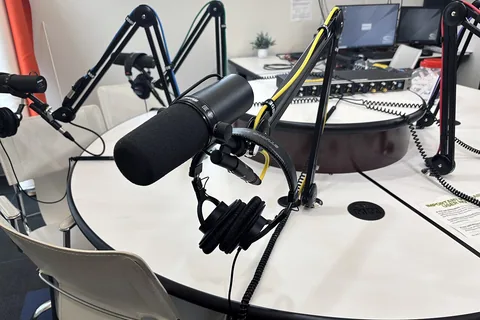
The studio is quiet, but the air feels tight. The host leans close to the mic. A late scratch drops five minutes before tape. The line shifts while the red light is on.
9 min read