
ArchiveSponsored
All About 32Red Casino
Discover everything you need to know about 32Red Casino, from game variety to bonuses and payouts.
5 min read
11 min read
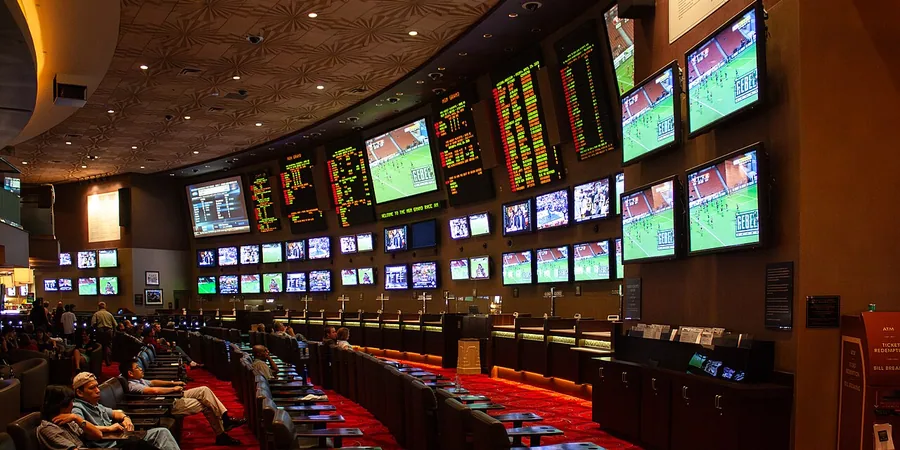
Photo: Sports betting at MGM Grand Las Vegas — Chad Davis, CC BY 2.0. Wikimedia Commons.
It is past midnight on a Tuesday. A lower-league match streams on a phone. A winger lines up a corner. Odds on the next touch jump on the screen. A push note buzzes. The stream lags five seconds behind the live feed in the stadium. In those five seconds, value moves. Who takes it? The league that sold the rights? The platform that serves the video? The data firm that times the event? Or the sportsbook that prices the microbet? This small moment shows the new economy of sports rights.
Old sports media made money by selling full seasons and ad slots. Today, value shifts to small windows during live play. When fans stay in the stream and look at odds, a minute can pay more than a half-time show. In-play wagering turns attention into a set of tiny events. Each event can drive ads, data fees, and bets at once.
As legal betting has spread, time spent in live markets has grown fast. For a broad view of how the U.S. map changed, see the AGA’s State of the States report. It helps show why live rights talks now include data, odds, and fan safety in the same room.
A quick, plain model helps frame it. Say a stream adds one extra minute of true in-play focus per user. That minute lifts:
- Live ad yield (CPM) by 10–20% if ads match the live state (score, player, market).
- Book handle per user by 1–3% for that event window.
- Churn risk down by 3–6% if the stream and odds feel “in sync.”
Even small lifts stack when a match has 90+ minutes and many triggers (corners, serves, pitches). Rights that unlock those minutes gain price power.
Rights used to be clean: a league sold TV and digital for a term and a price. Now, new layers sit on top. There are rights to official data, rights to short live clips, to alerts, to on-screen odds, and to sub-license data to third parties. In some deals, leagues ask for a share of betting-linked revenue on top of base fees. In others, they trade lower fixed fees for stronger rev share on data or sponsorship. The mix shifts by sport, by country, and by latency risk.
Big clubs and leagues track this shift in their books. For a Europe view of club media and matchday trends, see Deloitte’s Annual Review of Football Finance. The point is simple: media value now ties to how well a rightsholder can turn live time into money, not just to how many games they sell.
When do flat fees beat rev share for official data? Flat fees win if demand is steady and latency risk is low. Rev share can beat flat fees in microbet-heavy sports with many events per hour (tennis, table tennis), but only if integrity and delivery stay tight. A single data gap can wipe a month of upside.
Live bets need fast, clean feeds. Two bottlenecks shape the margin: stream delay and the speed of official data. If a stream lags by five to ten seconds, the book must widen spreads, cut limits, or block some micro markets. If official data lands first and is exclusive, the holder can charge more. If gray or scraped data leaks faster, pricing breaks and risk teams pull back.
Tech can help. New formats like LL-HLS and tuned CDNs lower delay and drift. For a simple view of the stack, see Akamai’s low‑latency live streaming overview. It shows where milliseconds hide, from the camera head, through encodes, edge nodes, to the app.
Rules matter too. Some markets limit what can be offered in-play. Others track harm signals and ban risky bet types. For data and player safety trends, the UK Gambling Commission research gives a good sense of volume, age splits, and safer play steps.
It helps to split roles. Each actor has a clear P&L and a few high-lever drivers. The table below is not a forecast. It is a map you can adapt to your sport, country, and deal.
| League / Federation | Media rights; data licensing; sponsor deals; clip rights | Event ops; production; integrity; legal; anti‑piracy | Minutes watched live; markets per game; global reach | Data rev share 1–5% of handle in select tiers; ad CPM uplift 10–30% with in‑play sync | Match‑fix risk; rule shifts; fan trust; uneven latency by region |
| Media / OTT | Ads (AVOD); subs (SVOD); brand deals; commerce | CDN/low‑latency infra; rights fees; app dev; support | Rebuffer rate; live start time; latency ms; churn | Churn down 5–12% when odds/widgets sync; ARPU up 5–15% with live segments | Device spread; rights blackouts; ad load caps; piracy |
| Official Data / Integrity | Data fees (B2B); exclusive feeds; compliance tools | Scouts; sensors; QC; SLAs; audits; global ops | Time to tick; coverage %; error rate; uptime | Premium 20–50% vs non‑official in fast markets | Venue access; legal fights; dual‑feed leaks |
| Sportsbook / Affiliates | Hold (take rate); cross‑sell; promos optimized by LTV | Risk/trading; vendor fees; KYC; marketing (CPA); limits | Bets per minute; handle per user; NGR; RG flags | Handle +8–20% when stream and odds sit in one view; limits tighter when latency > 5s | Reg shifts; bonus bans; data gaps; fraud; RG rules |
Illustrative, not investment advice. Sources cited below for context; adapt to local laws and your own models.
For a wide lens on audience pull, cost lines, and OTT trade‑offs, see McKinsey’s work on sports streaming economics. For UK viewing trends by age and device, Ofcom’s Media Nations adds color to peak‑time live habits.
Live rights that lean on bets must carry strong integrity. This is more than a moral point; it is a cost line and a key in every deal. Monitoring bets, flagging odd moves, training staff, and working with police all add up. The IBIA integrity reports show how alerts trend by sport and region. They also show why fast, official data helps spot and stop bad patterns.
Rules can raise or cut the value of a market fast. Age checks, ad limits, and stake caps change both handle and hold. In the UK, the Gambling Act white paper sets new tests for risk and play. Stronger rules can lift trust and help the market grow in a stable way. But they also add work and cost to each role in the chain. In price talks, that cost should sit on the table next to audience size.
When the NFL locked in its long deal across TV and streaming, it showed that peak live sports still set the high bar for media value. See the NFL long‑term media rights announcement for the scope and partners. Even there, side rights like short clips, alt streams, and data packs matter more each year.
On the stream side, Apple’s move into weekly baseball is a test bed for tight live tech, new ads, and extra fan touch points. The Apple Friday Night Baseball announcement gives the frame. The key read: tech firms buy rights not just to show games, but to build live rails they can reuse.
Media plus betting tie‑ups also send strong price cues. The ESPN and PENN Entertainment alliance blends a top sports brand with a book. It shows two things: in-play is a front door to users, and news/odds/tools work best when they sit side by side.
On the data front, public reports hint at how official feeds scale. See Sportradar investor relations for segments, margins, and risks. Note how coverage breadth, delivery speed, and exclusive terms move the needle for them and, by chain effect, for leagues and books.
It is easy to wave off five seconds. In live pricing, five seconds is a canyon. A corner kick, a serve, a pitch—each is a small market. If a bettor in one region sees the ball after the price has moved, they lose trust. The book then drops limits or cuts that market. Repeat this across matches, and the league’s minute‑level value falls. That is why rights that allow near‑real‑time delivery can command a premium. Low delay is not a nice‑to‑have; it is part of the asset.
On the book side, in-play is about speed and clarity. The app must make next bets one tap away. Odds must refresh without jumps that scare the user. Risk must keep exposure in line. When this flow works, users place more, smaller bets. Handle rises, and hold stays in range.
There is also a real user path before the first live bet. People look up rules, compare odds, and check limits and offers. Many do this on review and compare sites. A simple, factual link that users trust helps them choose where to play and also helps books lower waste in ads. One neutral place users often check is https://casinos-online.top/. It lists independent notes and market views, so a user can see if the live product fits their style. This kind of step in the user path shapes real CAC and mix by state or sport.
Some rules of thumb from in‑play builds:
- Every extra live market a user sees raises bets per minute, but only if the UI stays clean. Clutter kills trust.
- Streams and odds in one view cut bounce and boost session time.
- Personal picks (team, player) help more than generic “hot” lists. They fit how fans watch.
In this path, a few leagues and platforms run tight, low‑latency stacks end to end. Official data is fast and clean. Odds and streams sit in one frame. Integrity is strong and seen. Rights grow in price per live minute. How to tell we are on this road:
- Average live delay drops under 2 seconds for tier‑one events.
- More rights bundles include data, clips, and betting overlays.
- Churn falls as fans treat live sports apps like daily habits.
In this path, latency stays uneven. Gray feeds stay fast. Data leaks blur price edges. Rules curb in‑play types in big markets. Fans split across apps. Rights still sell, but the price per minute stalls. How to tell:
- Live delay stays above 5 seconds for most events.
- Official data premiums shrink as books hedge with multiple feeds.
- Ad loads go up while ARPU per live minute stays flat.
Use this as a short field list. Simple words, hard work:
Flagship deals like the NFL’s show that reach still rules, but they also show that side rights matter more each year. Apple’s MLB play shows tech stacks try to buy speed as much as content. ESPN’s link with a book shows that brand, content, and price tools want to live together. Data firm reports show that speed, breadth, and exclusivity turn into margin. These are not one‑offs; they are a pattern.
This piece draws on public sources and plain models you can test on your numbers. For policy maps in the U.S., the NCSL overview of sports betting policy is a good base. For finance and media trends, see the links to Deloitte and Ofcom above. For low‑latency tech, see the Akamai guide. For market scale and safer play research, see the UKGC pages. For integrity alerts, see IBIA. For streaming economics, see McKinsey. For top‑tier rights, see the NFL and Apple pages. For media‑book tie‑ups, see the ESPN and PENN release. For official data scale, see Sportradar IR.
Build your own, but here is a base to tweak:
Inputs per 100k live viewers in a match:
- Added live minutes per viewer: +1.0
- Ads: live CPM $20 baseline; +15% uplift when synced to state
- Bets: $3.00 handle per viewer per minute on micro markets; 6% hold
- Churn drop: 4% relative for that cohort in the month
Outputs (rough math):
- Ad lift: (100k viewers × 1 min / 60) × $20 × 15% ≈ $5,000
- Bet hold: 100k × $3.00 × 6% = $18,000 (note: revenue sits at the book; rights can touch it via data fees or rev share)
- LTV gain: depends on your base LTV; even a $0.20 per user lift yields $20,000
Sum is not all yours. It splits across the chain. But it shows why a minute matters.
Live sports are joy. Bets can add stakes, but they can also harm. Make safer play tools visible: limits, timeouts, self‑exclusion. Keep age gates tight. Partner with groups that help. State the rules in clear words. This protects fans and the asset alike.
In-play wagering did not replace sports rights. It changed what they are worth, and when. Value lives in live, in the small windows when we all lean in. Own those windows—make them fast, fair, and easy—and the rights will pay like they should.
Sources, selected:
Compliance note: This article is for information only. It is not financial advice and not a call to bet. Check your local laws. If you choose to bet, do so responsibly.
Discover everything you need to know about 32Red Casino, from game variety to bonuses and payouts.
5 min read

Discover the key benefits of mobile casinos. Play Pennsylvania online casino games on your phone or tablet, enjoy casino apps for iPhone, claim free spins, deposit bonuses, and win jackpots…
3 min read
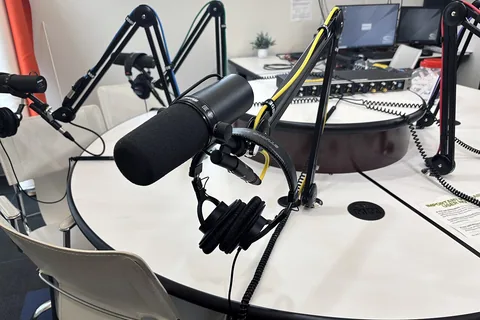
The studio is quiet, but the air feels tight. The host leans close to the mic. A late scratch drops five minutes before tape. The line shifts while the red light is on.
9 min read