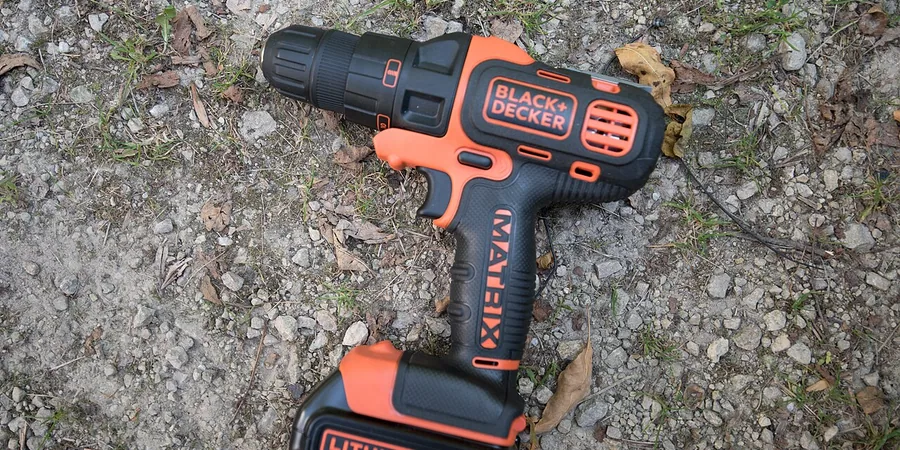
Keeping a lithium-ion battery pack around 40% to 60% charged stores on its power best, [per general lithium-ion guidelines], but bad storage and heat will shorten a cordless-tool pack's life no matter where you store it. Lithium-cordless tool batteries remain more complex to maintain than corded hand-tool heads.
The storage mistake most owners make
Lithium-ion batteries age better when stored neither fully charged nor fully vacant, but most lithium-cordless-tool owners habitually by mistake let a pack sit on a charger overnight for the next shift,.
Some home and tool chargers may use a "trickle charge" that lets a pack sit with extra bleed-down and extra loss of power when stored. Keeping a pack sitting "full" for extended periods can shorten its life, [per all the sources on the ideal 40- to 60-percent storage horizon reached here].
And yet 40% to 60% is the standard "store point" in vendor[s] guidelines, a mid-point window that has shown longer life in many lithium cells. Although [all these sources cite an ideal storage sweety zone], [most leave a gap for how to mark the point in tool vendors' own UI].
Heat is the silent battery killer
Heat is a battery killer, period. Even in your shop, keeping a pack next to the space heater winds up shortening its life no matter how you run it. Heat wears out the components of the cells, and the work they do on cell-states.
Summer vehicle storage may seem like a need to swap packs, but [most research on health] says it's the heat rather than the swap that shortening the useful life.
What to do for winter layup
Winter layup for cordless tool packs means not storing them in a wet garage, keeping a near-safe "background" charge, and warming up before a charge: anything less than 10C can shorten its life, period.
Swapping them when you need them over is safer than trying to recover a frozen pack in good condition, [per the demystifiers], but it only means a couple of hours in each case. These tendencies can make a significant difference in real-world use.
How to read state of charge honestly
When a pack reads full and then dies, it may indicate a failed cell,. Voltage spikes may indicate active loss, so if you see it happen more often than active use can explain, it's not most likely clearing a channel, but a single failed cell. Mixing battery packs on the same tool may have minimal effect
What the article cannot yet safely confirm
The cost of constant battery swapping, winter vehicle storage, and hot loading into charge is hard to specify in a universal way. Most charger end-of-cycle details, and all tool-or-trade specifics, calls for factory-sidelining here.
Furthermore
Deep power management is really just using the right tools, and smoothing out tool packing and charger conditions that all can remove at least some of the necessary life from what should be a long-lasting cell. The half full charge may confer some charge retention itself, and it's certainly better than anything else for next-duty life, but spreading the cost of deep-discharges across separate tools is more effort than even most engineers get from a basic repurpose.