Tools & PowerMistakes
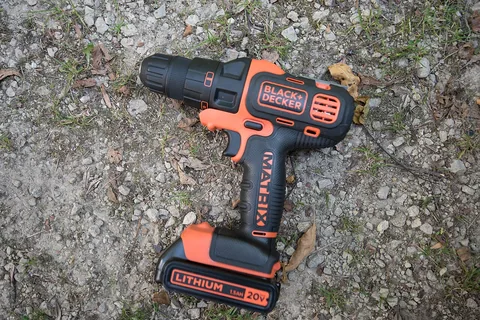
How to Make Cordless Tool Batteries Last Longer
Keeping a lithium-ion battery pack around 40% to 60% charged stores on its power best,, but bad storage and heat will shorten a cordless-tool pack's…
Updated 2 min read
Updated 3 min read

Photo: Ladder in Front of a Wall (47145748521) — Dejan Krsmanovic, CC BY 2.0. Wikimedia Commons.
When shopping for a ladder, you will probably come across the Type I, II, III, and IAA designations on the sticker...
It’s the sequel to one of the most common usage mistakes: treating those types like height ratings. That’s fake news. The typical shape for the standards for ladder manufacturers covers loads, not heights. The five categories are “working loads: 375 lb for Type IAA, 300 lb for Type IA, 250 lb for Type I, 225 lb for Type II, and 200 lb for Type III. Period.
The problem is that putting your own body weight on that number is setting a deadly calculation in motion... **That label is for the total load: user plus whatever clothing, tools, or materials the ladder has to support. Trusting even the highest-load Type IAA class to sustain 375 pounds only works if your clothes, tools, and supplies weigh less than 75 pounds. Anything more than that is hitting the legal limit of your ladder*.
What’s worse, that rating only holds if the ladder isn’t set up or used incorrectly. The setup is where the terms like “working length” and “overreach” come in. And overreach isn’t just a talking-point...
Stepping outside the side rails puts you out of the ladder’s safe configuration. The same applies to any ladder setup or use that goes against the recommended guidelines. Staying outside the belt-buckle rule, overloading, or putting the top three rungs into use all fall into this category. **Failing any of those setup rules means you've also violated the working load. Because the working load rating is a load support limit. It’s not a feature listing. It’s a legally binding limit against the load the ladder should be asked to support safely. Misuse translates directly into a breach of the rating.
Misjudging a standardised ladder load rating setup rule is bad. Misreading which ladder class you need is deadly. Such a move would lead to many customers picking the wrong class. Getting to this mistake involves taking one of the above two problems - treating the Type classes as height tiers, or misinterpreting that safety/load limit as a limit of loads. Or even bad weather, as the ladder purchase grids get clogged with images of muddy conditions.
When picking a job ladder, the first thing to know is to forget the common adage: “get the ladder strong enough to hold your weight. Unless your weight is 375 pounds for the maximum class, that advice is a myth. If the dispenser of this advice won’t take the ladder with the most load capacity, they still won’t get it. It’s the simplest and most magnanimous set of operating instructions the ladder branding companies can come up with.
They even printed it on the big sticker, with the legally valid duty ratings. Those classes you are looking at also consider how you meet the hardware standards and make sure your ladder hardware is in mint condition. But the usual advice is to climb the upper stringers in the “belt buckle” stand-up zone between the side rungs, with your safety set up in place. The OSHA takes additional precautions to avoid building the ladder too close beside an electrical source. That’s why the configuration prefers a filled-fiberglass model to a steel type in such a case. It is not an absolute blanket “fiberglass models are safe for electrical work” guarantee. But it is a relief to know that these models are especially popular.
Buying the right ladder type means, first, understanding the legally valid load calculation, and choosing according to that number and only that number. Second, it means climbing the ladder, nonconductive or not, with proper storage and restraint and only when you can read it clearly off the approved design label:
And when in doubt, do not use it. Take a ladder with any missing labels, bowed railing, broken rails, worn-out treads, and all other forms of blemish off the shelf. Do not tolerate a ladder that fails any of these inspections. A broken shoulder strap, a greyed rivet, one loose screw - any of these defects qualify the ladder “legally unusable” and reject any ladder that fails those criteria. No unmarked ladder, new or old, is approved for use if it fails inspection criteria.
Keeping a lithium-ion battery pack around 40% to 60% charged stores on its power best,, but bad storage and heat will shorten a cordless-tool pack's…
Updated 2 min read
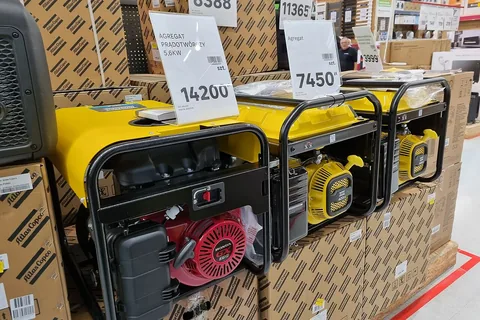
When a hurricane, storm, or grid failure causes a longer power outage, a portable generator can keep your home running. But the homeowner's choice of generator type matters: a conventional…
Updated 4 min read

A pressure washer that loses power mid-job is most likely being starved by the wrong nozzle size or a flow restriction, not a pump failure. This ordered checklist isolates the easy faults…
Updated 3 min read